Capture Cinematic Style with the Montages Font
There’s a certain feeling you get when you look at a well-curated Instagram feed or flip through a high-end lifestyle magazine. It’s not just about the photography; it’s about the text that accompanies it. It feels personal, yet polished. It feels human, yet perfectly composed. Striking this balance is one of the trickiest parts of design, and that’s exactly where a typeface like Montages comes into play. It’s more than just letters on a page; it’s a shortcut to that coveted, cinematic slice of life aesthetic.
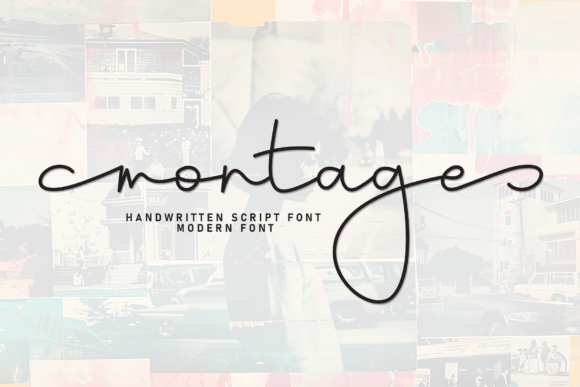
At its core, Montages is a modern handwritten script font, but that simple description doesn’t quite do it justice. Imagine the fluid, continuous motion of a fine ink signature. Now, blend that with a trendy, editorial rhythm. That’s the personality of this typeface. It features smooth, monoline paths and intentionally wide, airy character spacing, which prevents it from looking cramped or overly casual. This spacing gives each letter room to breathe, lending a sense of luxury and calm to your designs.
The real visual hallmark, however, lies in its details. Montages boasts dramatic, soaring ascenders and deep, sweeping terminal loops that dance elegantly past the baseline. These features mimic the natural, artistic flair of raw handwriting, adding a dynamic energy to headlines and logos. Despite this expressive style, the font is built with sharp, optimized outlines. This technical precision ensures it maintains perfect visual readability, whether you’re layering it over a complex multimedia layout, a hazy retro photograph collage, or a soft, pale pastel backdrop. It’s this combination of artistic flair and technical robustness that makes it such a versatile design asset.
Where Montages Truly Shines
Understanding a font’s personality is one thing, but knowing where to apply it is what makes it valuable. Montages excels in projects where you want to convey a sense of human touch, elegance, and contemporary style. It’s a phenomenal creative asset for a wide range of applications, acting as an instant shortcut to a chic, human-centered luxury feel.
Consider its role in brand identity. For upscale cosmetic and skincare lines, Montages can be used for logo design or product packaging to suggest a personal, artisanal quality. A minimalist lifestyle blog or a boutique hotel could use it for its main logo to feel both sophisticated and welcoming. In the world of editorial design, it’s a perfect choice for fashion lookbook headings, magazine feature titles, or chapter headings in a photo book, adding a layer of narrative flair without sacrificing clarity.
Its applications extend beautifully into both print and digital spaces. For wedding stationery suites, from invitations to thank you cards, Montages provides a romantic, personal script that feels hand-lettered. Digital creators can leverage it for social media graphics, creating engaging quotes or story overlays that stand out in a crowded feed. Photographers will find it invaluable for creating elegant, non-intrusive watermarks that protect their work while enhancing its aesthetic. Even in packaging design for small-batch goods or artisanal products, this font can elevate the perceived value instantly.
Practical Guidance for Using This Creative Font
Choosing a premium font is an investment, so it’s important to think through its application. The first step is always to evaluate the project’s fit. Ask yourself: does my brand or project aim to feel personal, elegant, and modern? If the answer is yes, Montages is likely a strong candidate. If your project requires a more traditional, corporate, or starkly minimalist feel, you might pair it with a more neutral sans serif or serif font for body text.
This brings us to the crucial practice of font pairing. Because Montages is a display font with a strong personality, it’s rarely the best choice for long paragraphs of body copy. Its strength is in headlines, subheadings, and call-outs. To create a balanced and professional typographic system, pair it with a highly legible, neutral typeface. A clean sans serif font like Lato or Montserrat works beautifully for body text, allowing the script’s flair to take center stage without causing visual fatigue. Similarly, a classic serif font like Garamond or Lora can provide a timeless contrast.
Before committing, always test the font in context. Place it over your actual photographs, color palettes, and layouts. Check the readability of key words and ensure the dramatic ascenders and loops don’t interfere with other design elements. Review all the included styles; many modern fonts come with alternates, ligatures, or swashes that can add even more customization to your designs. Finally, for any commercial project—from a client’s logo to a product you sell—always ensure you have the correct commercial license. This protects you legally and respects the work of the type designer, allowing you to use this beautiful design asset with full confidence.