Handwritten Halloween: Your Go-To for Spooky Season Designs
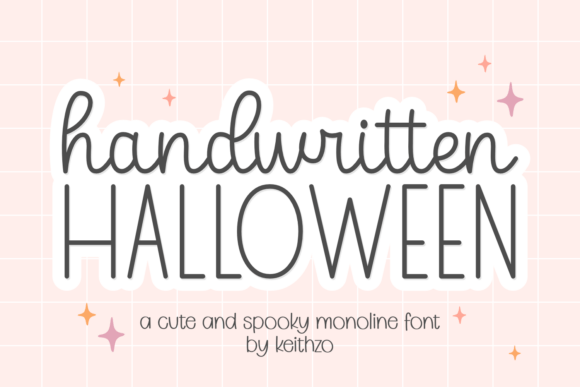
When autumn rolls around and the creative briefs start demanding a touch of the macabre, finding a font that feels authentic without being cliché can be a real challenge. Enter Handwritten Halloween, a typeface that strikes a rare balance between refined elegance and playful spookiness. It isn’t just another novelty font meant to gather dust in your library for eleven months of the year. This is a premium font crafted with the precision of a monoline script, offering smooth curves that flow seamlessly across various design applications.
What makes this typeface stand out in a sea of dripping blood and jagged horror fonts is its personality. It feels personal, as if penned by a friendly ghost or a witch with impeccable handwriting. The visual style is clean yet characterful, making it a versatile asset for anyone working in design, branding, or content creation. If you are looking to elevate your Halloween merchandise or add a seasonal flair to your digital presence, understanding how to leverage this tool is your first step toward bewitching results.
Refined Spookiness for Modern Projects
The core appeal of Handwritten Halloween lies in its ability to be spooky without sacrificing legibility. In modern typography, we often see a struggle between artistic flair and functionality, but this script font navigates that tension well. The "monoline" aspect means the stroke width remains relatively consistent, which avoids the heavy visual weight that can make some cursive fonts unreadable at smaller sizes. This characteristic makes it surprisingly adaptable for packaging design and web design, where clarity is paramount.
Visually, the typeface embodies a "hand-lettered" aesthetic that resonates deeply with current trends. Audiences today crave authenticity, and a handwritten font signals a human touch that rigid sans serifs often lack. For brand identity work, specifically for seasonal campaigns, this font can soften a brand’s voice. Imagine a coffee shop rolling out a pumpkin spice menu; using a harsh, jagged display font might clash with a cozy atmosphere. Handwritten Halloween, with its smooth curves, complements that warm, inviting vibe while still nodding to the holiday.
It is also worth noting how this font handles upper and lower-case interactions. The varying heights and connections between letters create a natural rhythm. This isn't just about spelling out words; it’s about creating a visual texture that mimics the organic movement of a pen on paper. For designers, this means you can play with letter spacing (kerning) to create different moods—tighter spacing for a dense, mysterious look, or wider spacing for a lighter, airy feel.
Practical Applications: From T-Shirts to Invitations
For the entrepreneurs and crafters in the audience, the utility of a creative font is measured by how many products it can enhance. Handwritten Halloween is a workhorse for merchandise. Its legibility makes it an excellent choice for apparel like t-shirts and tote bags, where text needs to be readable from a few feet away. Unlike overly decorative serif fonts or illegible scripts, this font maintains its charm even when screen-printed or embroidered.
Consider the world of drinkware. Mugs and tumblers present a curved surface that can distort complex letterforms. The smooth, consistent line weight of this display font ensures that your message—whether it’s "Witch's Brew" or a custom name—wraps around the vessel without breaking apart visually. It handles curvature gracefully, which is a technical requirement many novelty fonts fail to meet.
Beyond physical products, the digital realm offers endless possibilities. Social media graphics need to stop the scroll, and a distinct typeface is often the hook. Use Handwritten Halloween for Instagram Stories, Facebook event headers, or Pinterest pins to instantly signal the season. It works beautifully for editorial design as well; think of a lifestyle blog featuring a Halloween craft tutorial. Using this font for pull quotes or section headers can break up the monotony of standard body text, adding visual interest and guiding the reader's eye through the content.
Mastering the Art of Font Pairing
No font is an island, and even the best script font needs a supporting cast. One of the most common mistakes in logo design and layout is using two competing decorative fonts. Because Handwritten Halloween has such a strong personality, it pairs best with neutral, grounding typefaces.
A classic sans serif font is usually the safest bet here. The clean, geometric lines of a sans serif provide a stark contrast to the organic, flowing curves of the handwritten style. This creates a clear visual hierarchy: the script font grabs attention for headlines, while the sans serif provides the necessary readability for body copy or details like dates and addresses on an invitation.
You can also experiment with a sturdy serif font for a more vintage or editorial look. If your brand leans towards a "classic Halloween" aesthetic—think Victorian haunted houses or old magic books—pairing this script with a transitional serif can look incredibly sophisticated. The key is to let Handwritten Halloween be the star. Give it space. Don't crowd it with other loud design assets.
Evaluating Fit and Professional Usage
Before committing to any premium font, you need to evaluate if it fits the specific project's requirements. Ask yourself: does the tone match? If you are designing a flyer for a hardcore, terrifying haunted house attraction, this font might be too friendly. However, for family-friendly events, boutique branding, or festive home decor, it is spot on.
Readability testing is a non-negotiable step. Even with a high-quality typeface, context matters. Test the font at the size it will actually be used. A font that looks gorgeous on a 27-inch monitor might become an unreadable blob on a business card or a mobile screen. Look specifically at the letterforms for 'a', 'e', and 's', as these often lose definition in script fonts at small sizes. With Handwritten Halloween, the monoline structure helps, but you should still test it against dark and light backgrounds.
Finally, consider the licensing. If you are a small business owner selling those custom mugs or t-shirts, you need to ensure you have a commercial license that covers your sales volume. Most reputable font foundries offer different tiers of licensing. Using a font correctly ensures you are respecting the creator's work and protecting your business legally. It’s a small administrative step, but it’s a mark of a professional creative process.
Bringing Your Specter-Spangled Designs to Life
The true value of Handwritten Halloween is found in its versatility. It is a tool that bridges the gap between professional modern typography and the whimsical spirit of the season. Whether you are a marketer crafting an email campaign, a designer working on a client's seasonal packaging, or a hobbyist making party invitations for friends, this font provides a solid foundation.
Don't be afraid to mix and match. Use it for a header on a poster, then pull a single word out for a social media sticker. The goal is to create a cohesive visual language that feels intentional. By choosing a typeface that prioritizes both style and substance, you ensure that your Halloween designs aren't just scary—they are memorable. With Handwritten Halloween in your toolkit, you have everything you need to cast a spell on your audience this season.