Humbling: The Art of Elegant, Flowing Typography
In the crowded world of digital design, finding a typeface that feels both personal and polished is a rare discovery. Humbling is one such find—a beautiful, well-balanced, and graceful script font that moves beyond mere text to become an element of art. Defined by smooth, flowing curves, it captures the essence of modern sophistication without feeling cold or sterile. For designers, entrepreneurs, and creatives seeking to add a touch of handwritten elegance to their work, this font offers a versatile solution that bridges the gap between casual charm and professional refinement.
Visual Characteristics and Personality
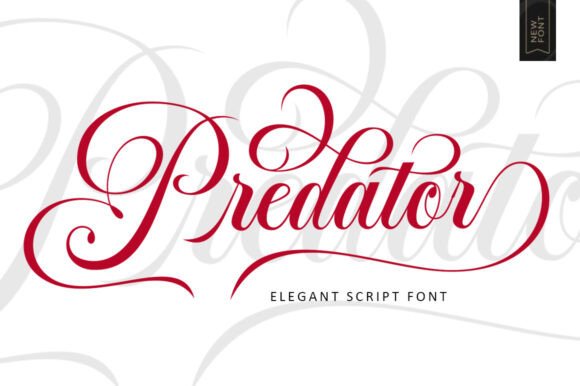
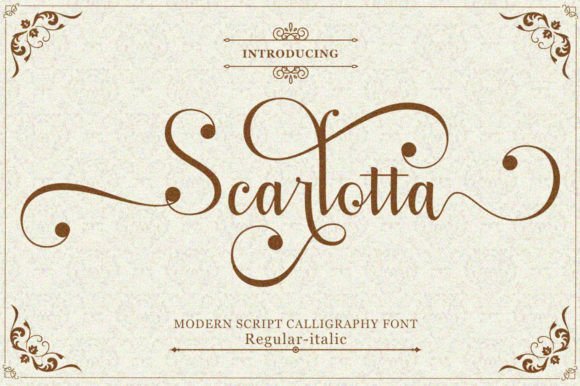
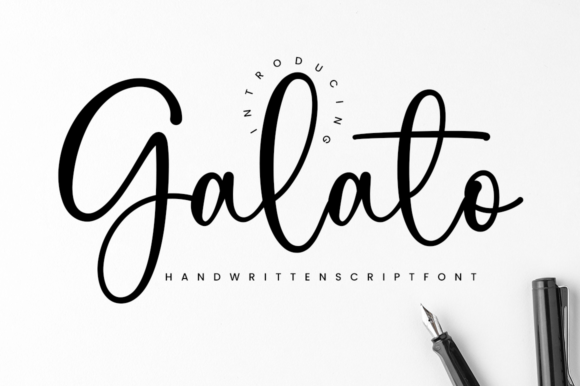
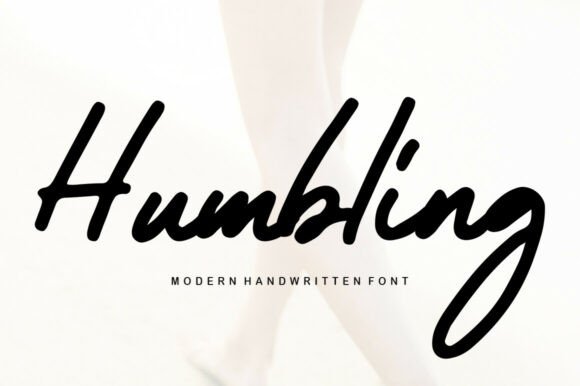
At its core, Humbling is a script font that prioritizes fluidity. The letterforms are connected with a natural, calligraphic rhythm, creating a sense of movement that static fonts simply cannot replicate. Unlike many handwritten font options that can appear erratic or childish, this typeface maintains a strict sense of balance. The ascenders and descenders are proportioned to ensure legibility, while the loops and swashes are restrained enough to remain professional.
The personality of Humbling is one of quiet confidence. It does not scream for attention with jagged edges or overly complex ligatures. Instead, it invites the viewer in with soft curves and a welcoming aesthetic. This makes it an ideal display font for projects where the goal is to evoke emotion—whether that is romance, luxury, or warmth. It feels less like a digital file and more like a piece of hand-lettered stationery, giving it an organic quality that resonates with audiences tired of generic, robotic typography.
Strategic Applications for Branding and Marketing
Understanding where to deploy a font like Humbling is just as important as appreciating its beauty. Because of its elegant structure, it is a powerhouse for fashion branding. Think of high-end boutique logos, clothing tags, or seasonal lookbooks. The font translates the tactile feel of fabric and the visual flow of a runway walk into typography. However, its utility extends far beyond the fashion industry.
For small business owners and entrepreneurs, Humbling serves as a fantastic tool for logo design. A logo needs to be memorable, and the unique silhouette of a script font helps a brand stand out in a sea of standard sans-serifs. It works particularly well for businesses in the wedding industry, beauty sector, or luxury goods market.
In the realm of editorial design, this font shines on magazine covers and pull quotes. It provides a necessary contrast to dense blocks of body text, guiding the reader’s eye to the most important information. Similarly, in packaging design, Humbling can elevate a product from a commodity to a gift. Imagine it on a box of artisanal chocolates, a bottle of organic skincare, or a label for a small-batch candle; the typography immediately suggests quality and care.
Improving Visual Hierarchy and Engagement
Good design is about communication, and visual hierarchy is the tool we use to make that communication clear. Humbling excels at establishing this hierarchy. When paired with a clean sans serif font or a structured serif font, it creates a dynamic tension that holds the viewer's interest. The contrast between the organic, flowing script and the rigid geometry of a sans-serif makes the layout feel complete and intentional.
This contrast also impacts audience engagement. In a digital landscape dominated by sterile interfaces, a touch of human handwriting feels intimate. Using Humbling in web design—perhaps for hero section headers or call-to-action buttons—can soften the user experience. It suggests that there are real people behind the brand, which fosters trust. In social media graphics, where the scroll speed is relentless, the distinctive silhouette of this font can stop a user mid-scroll, simply because it looks different from the standard text they are used to seeing.
Practical Guidance for Implementation
While Humbling is a premium font with high aesthetic value, practical application requires strategy. Here is how to integrate it effectively into your workflow:
- Evaluating Project Fit: Before selecting this font, consider the tone of your project. Because it is defined by smooth curves and a graceful nature, it may not be the best fit for aggressive, high-energy sports branding or ultra-minimalist tech startups. It thrives in environments that value elegance, creativity, and personal touch.
- Testing Font Pairings: Never use a script font in isolation for all text. Humbling pairs best with simple, geometric typefaces. Try matching it with a light-weight sans serif for a modern, airy look, or a classic serif for a more traditional, editorial feel. Avoid pairing it with other decorative fonts, as this will create visual clutter.
- Readability Considerations: As with any creative font, context matters. Humbling is designed for display purposes—headers, titles, and short phrases. Avoid using it for long paragraphs of body copy, as the complex letterforms can cause eye strain over long reading sessions. Ensure that the font size is large enough to reveal the details of the curves without becoming illegible.
- Commercial Licensing: If you are using this for commercial font applications—such as client logos, merchandise, or paid advertisements—always verify the license. Ensure the specific version you purchase covers the usage rights required for your brand identity assets.
Beyond Aesthetics: The Functional Value of Humbling
Ultimately, choosing a typeface like Humbling is an investment in your brand’s visual voice. It is more than just a collection of letters; it is a design asset that contributes to your brand's consistency. By using a distinctive typeface across your touchpoints—from business cards to email headers—you create a cohesive ecosystem that makes your brand recognizable.
For the modern creative professional, the goal is to find tools that offer both form and function. Humbling delivers on both fronts. It provides the visual appeal of hand-lettering with the technical precision of a digital font. Whether you are designing a wedding invitation, launching a new skincare line, or refreshing a blog layout, this font offers a timeless elegance that adapts to the changing tides of modern typography. It reminds us that even in a digital world, the human touch remains the most powerful design element of all.