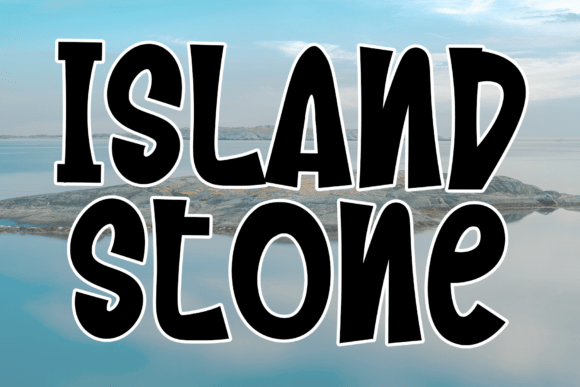
Island Stone: Capturing Modern Elegance in Every Stroke
In the crowded landscape of modern typography, finding a typeface that feels both personal and polished is a rare discovery. Island Stone emerges as a distinct voice, a "new style" handwritten script font that moves beyond the casual and into the realm of refined sophistication. Its defining characteristic is a fluid, signature-like motion—a rhythm that feels less like text and more like a deliberate, elegant gesture. The design achieves a delicate balance between tall, confident ascenders and graceful, sweeping loops, creating a visual flow that is both rhythmic and captivating. This isn't just another script; it's a design asset that brings an unmistakable touch of class to every word it forms.
The Anatomy of a Signature Style
Understanding what makes Island Stone tick helps in knowing where to deploy it. The font's personality is one of quiet confidence. The tall ascenders give it a sense of height and elegance, reminiscent of classic penmanship, while the fluid loops inject a touch of organic warmth and movement. This combination avoids the stiffness of formal calligraphy and the chaos of overly casual handwriting. It sits in a sweet spot: a premium font that feels personal yet thoroughly professional.
This style is a powerful tool for shaping brand perception. When used in a logo or on a business card, Island Stone doesn't just spell out a name; it imparts a feeling. It suggests a brand that values craftsmanship, attention to detail, and a personal connection with its audience. Think of a boutique jewelry designer, a high-end wedding planner, or a luxury skincare line—the font aligns seamlessly with identities built on exclusivity and tactile quality. It’s a creative font that communicates value through its very form.
Strategic Applications: Where Island Stone Shines
The true test of any typeface is its performance in the real world. Island Stone excels in applications where first impressions and emotional resonance are paramount. Its nature as a display font means it’s designed for impact, not for setting long paragraphs of body copy.
- Logo & Brand Identity: This is its native territory. Island Stone can become the cornerstone of a brand identity for businesses in fashion, beauty, hospitality, and artisanal goods. It pairs beautifully with a clean sans serif font for body text, creating a hierarchy that is both striking and readable.
- Wedding & Event Stationery: For invitations, save-the-dates, and place cards, the font adds a deeply personal and romantic touch. Its elegant loops mirror the formality and joy of the occasion, making each piece feel bespoke.
- Packaging & Editorial Design: On a product label for a gourmet food item or a feature headline in a magazine, Island Stone draws the eye and sets a tone of luxury. In editorial design, it can be used for pull quotes or chapter titles to break up the monotony of a serif font or sans serif body.
- Digital Presence & Social Media: For web design, use it sparingly for key headings or hero text to create a memorable landing page. On social media graphics, it’s perfect for creating cohesive, elegant quote cards, sale announcements, or story highlights that stand out in a fast-scrolling feed.
Practical Guidance for Designers and Creators
Choosing a font is a strategic decision. Here’s how to evaluate if Island Stone is the right fit for your project and how to use it effectively.
Evaluating Project Fit: Ask yourself what emotion you want to evoke. Does your project call for warmth, elegance, and a human touch? If you're designing for a corporate law firm or a tech startup, the handwritten style might feel out of place. But for a creative portfolio, a baker's website, or a wellness blog, it’s an excellent choice. Always consider your audience—a design for a youthful, edgy brand might need a different kind of script.
Mastering Font Pairings: The key to using a strong script font like Island Stone is contrast. Avoid pairing it with other decorative or script fonts. Instead, let it command attention by setting it against a stable, neutral partner. A geometric or grotesque sans serif font (like Montserrat, Poppins, or Helvetica Neue) for subheadings and body copy creates a clean, modern framework. Alternatively, a classic, readable serif font (like Garamond or Minion Pro) can bridge the gap between traditional and contemporary, creating a sophisticated and layered typographic system.
Readability and Hierarchy: Remember, readability is context. Island Stone is highly legible at larger sizes used for titles, logos, and short phrases. It is not designed for small text blocks or lengthy paragraphs. Use it to establish the top tier of your visual hierarchy—to grab attention and define the mood. Then, rely on your chosen body font to deliver the detailed information clearly.
Checking the Toolkit: Before purchasing, review the full character set of the commercial font. Does it include a full range of punctuation, numerals, and multilingual characters? Look for bonus features like stylistic alternates or ligatures. These extras can provide valuable flexibility, allowing you to customize the look for different applications, ensuring your design assets remain versatile.
Licensing for Your Needs: As with any premium font, ensure you understand the licensing. If you're a freelancer creating a logo for a client, or a business owner using it on your website and merchandise, you need a license that covers commercial use. Verify the terms for digital ads, print materials, and web embedding to avoid future complications. A properly licensed font is a professional standard that protects both you and the font designer.
Ultimately, integrating a typeface like Island Stone into your work is about more than just aesthetics; it’s about communication. It’s a tool that, when used thoughtfully, can elevate a project from merely functional to truly memorable, weaving a narrative of elegance and intentionality into the very fabric of your design.