Mendoline: Infusing Authenticity into Modern Design
In a digital landscape often saturated with uniformity, the quest for genuine connection has never been more critical. We are surrounded by sleek, geometric sans serif fonts and authoritative serif typefaces, yet there remains a persistent hunger for the human touch. This is where the art of typography becomes psychology. When you need to bypass the corporate barrier and speak directly to the heart of your audience, a premium font like Mendoline offers a compelling solution. It is not merely a collection of letters; it is a carefully crafted tool designed to simulate the intimacy of a handwritten note, bridging the gap between digital precision and organic warmth.
The Anatomy of Organic Sophistication
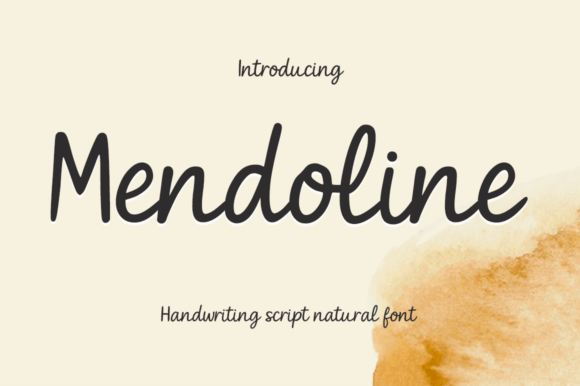
At its core, Mendoline is a handwritten font that refuses to be messy. Too often, designers struggle with script typefaces that sacrifice legibility for style, resulting in text that looks like a doctor’s prescription rather than a piece of art. Mendoline strikes a delicate balance. Its defining characteristic is a "silky flow"—a rhythmic movement in the strokes that mimics the natural pressure and speed of a hand holding a calligraphy pen. The curves are sophisticated but not stiff; they possess an organic irregularity that feels authentic.
As a display font, Mendoline is built to command attention without shouting. The letterforms feature elegant swashes and ligatures that connect letters in a way that feels intuitive to the human eye. This script font avoids the rigid baseline adherence of standard typography, allowing letters to dance slightly above and below the line. This subtle movement creates a dynamic energy that static fonts cannot replicate. For the creative professional, this means you are working with a typeface that has a personality of its own—graceful, stylish, and undeniably sophisticated. It transforms standard text into a visual element that contributes to the overall composition of your design.
Strategic Applications: Where Mendoline Shines
Understanding the visual characteristics of Mendoline is one thing; knowing where to deploy it is the key to effective design strategy. This typeface excels in scenarios where emotional resonance is a priority over strict utilitarian function. It is a versatile creative font, but its impact is maximized when applied to specific contexts.
Brand Identity and Logo Design
For businesses that rely on personal connection—such as bakeries, boutique clothing stores, florists, or lifestyle coaches—Mendoline is an ideal choice for logo design. It immediately signals that the brand is approachable, artisanal, and values quality. When used in a wordmark or as an accent alongside a sans serif font, it creates a high-contrast visual hierarchy that looks professional yet friendly.
Editorial and Publishing
In editorial design, Mendoline works beautifully for pull quotes, chapter titles, or magazine headers. It breaks up the monotony of body text (often set in a serif font) and guides the reader’s eye to the most important snippets of the story. It adds a layer of sophistication to packaging design as well, particularly for product descriptions or "thank you" notes printed on labels.
Digital and Social Media
The digital space benefits immensely from this typeface. For social media graphics, where the scroll speed is fast, Mendoline provides a distinct visual texture that can stop a user in their tracks. It is excellent for highlighting key phrases in Instagram stories, creating headers for Pinterest pins, or adding a personal touch to website banners. In web design, however, it should be used judiciously—primarily for hero sections or call-to-action buttons—rather than for paragraphs of text, where it might fatigue the reader's eye.
The Psychology of Perception and Readability
Choosing a font is a psychological decision as much as an aesthetic one. The typography you select dictates the tone of your message before a single word is read. When you utilize a handwritten font like Mendoline, you are invoking feelings of nostalgia, sincerity, and creativity. It suggests that a real human is behind the message, which is a powerful driver for audience engagement.
However, this psychological benefit comes with a responsibility regarding readability. As a script font, Mendoline is best suited for short bursts of text—headlines, titles, and short phrases. If you attempt to write a full paragraph in this style, the legibility drops, and the visual "noise" increases, potentially harming your message's clarity. Good modern typography relies on contrast. Mendoline pairs exceptionally well with a clean, geometric sans serif font for body copy. The stability of the sans serif grounds the fluidity of Mendoline, creating a balanced and professional layout.
Furthermore, the consistency of the font helps in building brand identity. By using Mendoline consistently across your headers and marketing materials, you create a recognizable "voice" for your brand. Over time, your audience will associate that specific style of handwriting with your business, aiding in brand recall and recognition.
Practical Integration and Licensing
Before integrating Mendoline into your workflow, it is wise to evaluate your project's specific needs and the font's technical capabilities. Here is a practical checklist for designers and creators:
- Evaluate the Context: Assess the medium. Is this for a high-resolution print brochure or a low-resolution mobile screen? Mendoline renders beautifully in high definition, but ensure your implementation allows for anti-aliasing to keep the curves smooth on screens.
- Test Font Pairings: Do not use Mendoline in isolation. Create a "type stack" for your project. Try pairing it with a serif font for a vintage, classic feel, or a sans serif font for a clean, modern aesthetic. Ensure the x-heights and weights are compatible so the visual hierarchy is clear.
- Review Included Styles: A robust premium font often includes alternate characters and stylistic sets. Explore the glyphs panel in your design software (like Adobe Illustrator or Photoshop). Mendoline may offer different capital letters or swashes that can be swapped in to perfect the kerning or prevent two identical letters from looking too repetitive.
- Readability Check: Always squint test your design. If the headline becomes a blur of loops and lines, you may need to increase the font size or the letter spacing (tracking).
- Commercial Licensing: Finally, verify the licensing. If you are creating design assets for sale, or using the font in a logo for a client, you must ensure the license covers commercial use. This protects you legally and ensures the foundry is compensated for their work in creating this creative font.
Ultimately, Mendoline is more than just a typeface; it is a bridge to authenticity. It allows designers to strip away the digital veneer and present work that feels handcrafted and personal. Whether you are designing a wedding invitation, a coffee shop menu, or a social media campaign, this font offers a sophisticated way to say, "This was made with care."