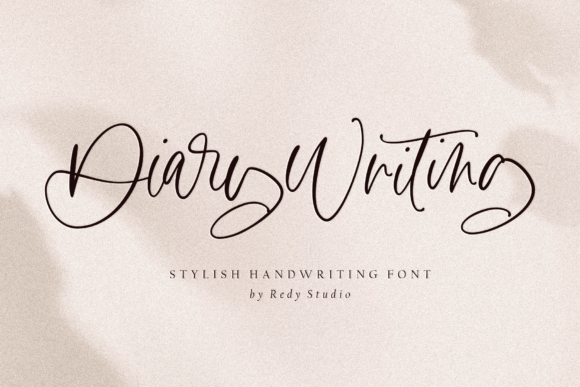
Diary Writing: The Handwritten Font for Authentic Design
There’s a certain intimacy to a handwritten note. It feels personal, immediate, and human. In a digital world saturated with clean, geometric typefaces, the Diary Writing font captures that essence of authenticity. This isn't just another script font; it's a versatile design asset that bridges the gap between casual charm and professional polish, making it a powerful tool for anyone looking to add a genuine, creative touch to their projects.
Understanding the Character of Diary Writing
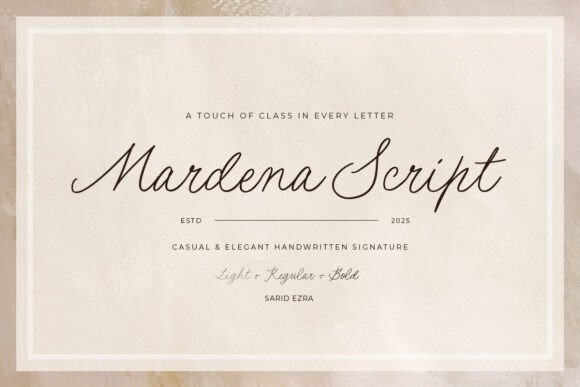
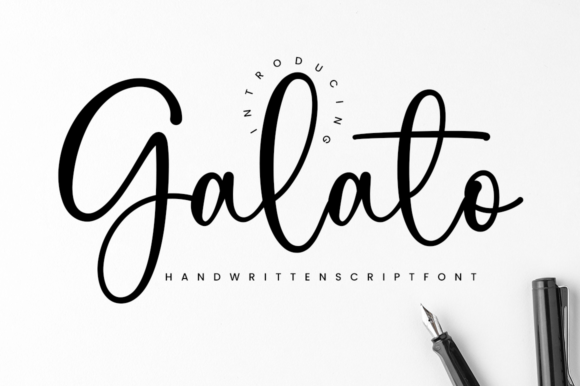
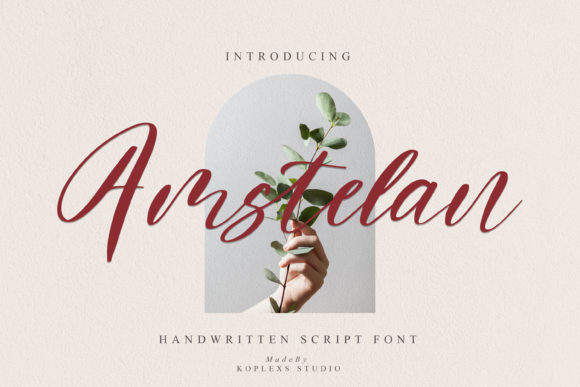
At its core, Diary Writing is an enchanting handwritten font with a fluid, natural rhythm. Its letterforms are connected in a flowing cursive style, mimicking the natural movement of a pen or brush. The strokes have a subtle, organic variation in thickness, avoiding the perfect uniformity of machine-generated text. This imperfection is its strength, giving the typeface a warm, approachable, and slightly whimsical personality. It feels less like a formal calligraphy script and more like the confident, expressive handwriting you'd find in a personal journal or on a favorite greeting card.
The visual appeal lies in its balance. It’s expressive without being illegible, and decorative without overwhelming a layout. The swashes and alternate glyphs included with the font add another layer of customization, allowing designers to fine-tune headlines and logos for maximum impact. Because it is PUA encoded, accessing these special characters is straightforward in any design software, removing technical barriers and letting creativity flow.
Where This Script Font Truly Shines
The versatility of a creative font like Diary Writing is where it delivers real-world value. It’s not a one-trick pony meant only for wedding invitations. Its wide spectrum of applications makes it a practical choice for diverse projects.
- Brand Identity & Logo Design: For brands that want to convey approachability, craftsmanship, or creativity, Diary Writing can be a cornerstone of their visual identity. It works beautifully for logos for boutique bakeries, lifestyle blogs, handmade product shops, and creative consultancies. Paired with a clean sans serif font for body text, it creates a compelling contrast that is both professional and personal.
- Editorial & Packaging Design: In editorial design, this font can bring life to magazine headlines, pull quotes, and chapter titles. In packaging design, it adds a handcrafted feel to product labels, especially for artisanal foods, cosmetics, or stationery. It tells the customer there’s a human touch behind the product.
- Digital & Social Media: The font is highly effective in web design for hero sections, call-to-action buttons, or accent text. For social media graphics, it’s perfect for creating engaging Instagram stories, Pinterest pins, and quote images that stand out in a crowded feed. Its visual warmth can increase engagement and make a brand feel more relatable.
- Personal & Commercial Projects: Beyond commercial use, Diary Writing is ideal for personal projects like scrapbooking, creating custom planners, or designing heartfelt greeting cards. For entrepreneurs and small business owners, it’s a premium font that can elevate marketing materials, business cards, and thank-you notes without requiring a massive design budget.
Making Diary Writing Work for You: Practical Guidance
Choosing the right font is only half the battle; using it effectively is what makes the difference. Here’s how to integrate Diary Writing into your work with purpose.
Evaluating Project Fit and Readability
First, consider the project’s tone. Diary Writing excels in contexts that benefit from a human, emotional, or creative touch. It may be less suitable for formal legal documents or highly technical user interfaces where absolute clarity is paramount. Always test the font at the size it will be used. While it’s highly legible for display font purposes like headlines, it may become difficult to read in long paragraphs of body copy. Use it strategically for short, impactful text.
Mastering Font Pairing
The true power of a display font is unlocked through thoughtful pairing. Diary Writing pairs exceptionally well with neutral, structured typefaces. A classic serif font can lend an editorial elegance, while a geometric sans serif font provides a clean, modern counterbalance. The key is to create contrast in style and weight while maintaining visual harmony. Avoid pairing it with another overly decorative script, as this can create visual chaos.
Leveraging Included Styles and Licensing
Before starting a project, review all the glyphs and swashes included with the font. These alternates are not just decorative extras; they are tools for solving specific design problems, like connecting awkward letter combinations or adding a flourish to a key word. Crucially, ensure you have the correct license for your intended use. If you’re using Diary Writing for a client’s logo or a product for sale, you need a commercial font license. This legal step protects both you and your client and is a mark of professional practice.
Ultimately, Diary Writing is more than just a collection of letters. It’s a tool for storytelling. By understanding its character and applying it thoughtfully, you can use this handwritten font to create designs that don’t just look good, but feel genuinely human—building stronger connections with your audience one glyph at a time.