Mishoka: The Modern Script Font for Bold Brands
When you're working on a project that needs to feel fresh and confident, the typography you choose does more heavy lifting than most people realize. I've spent years pairing typefaces for clients, and finding a script font that balances personality with readability is a constant challenge. Too many are either too ornate to read at a glance or too casual to feel professional. That's why when I first used Mishoka, it immediately earned a spot in my regular toolkit. It's a premium font that solves a specific design problem: how to inject a modern, handcrafted energy into a brand without sacrificing clarity.
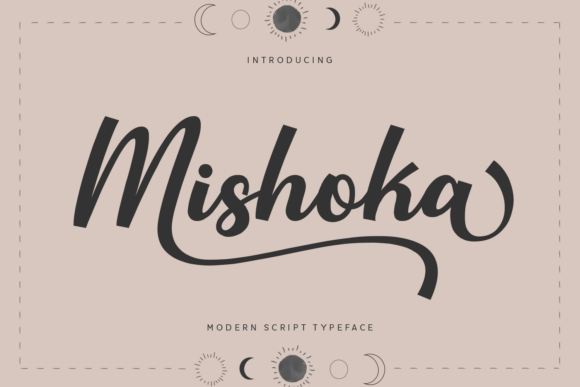
Mishoka isn't just another handwritten font. It's a stylish modern script defined by its bold confidence and smooth brush aesthetic. The strokes are clean and deliberate, avoiding the scratchy, uneven look that can make some scripts feel amateurish. What really sets it apart are the dynamic curves and the eye-catching swash tail that comes with many of its alternate characters. This gives you flexibility. You can use it in its standard form for a sleek, contemporary look, or activate the swashes for a more dramatic, artistic flair on a headline or logo. The overall personality is one of assured creativity—it feels current, energetic, and designed for the digital age.
Where Mishoka Truly Shines
Understanding where a font works best is about matching its personality to the project's goals. Mishoka's strength lies in applications where you need to make a statement quickly and memorably. For logo design, it's a standout choice. A brand looking to project modernity, creativity, or approachable sophistication—think a boutique coffee roaster, a trendy apparel line, a lifestyle blog, or a digital marketing agency—can build a powerful identity around this typeface. The swash tail adds a unique, ownable mark to the wordmark, which is gold for brand identity and recognition.
Beyond logos, its applications are wide-ranging. In packaging design, Mishoka can make a product pop on the shelf. Imagine it on a craft cocktail label, a gourmet chocolate box, or a line of artisanal cosmetics. It communicates quality and style instantly. For editorial design, it’s perfect for chapter headings in a book, magazine pull quotes, or a blog's featured titles, adding a layer of visual interest that draws readers in. It translates beautifully to social media graphics where a bold, readable script can stop the scroll, and it works well in web design for hero text, call-to-action buttons, or promotional banners, provided the surrounding text is set in a clean sans serif font or serif font for contrast and readability.
Influencing Perception and Engagement
The fonts you choose directly influence how your audience perceives your brand and interacts with your content. Using a creative font like Mishoka can significantly impact several key areas. First, it establishes visual hierarchy. Its bold nature naturally draws the eye, making it ideal for headlines and subheads that guide the reader through your layout. This creates a clear path for the eye, improving overall readability of the entire design, even when the script itself is used sparingly.
More importantly, it shapes brand perception. A consistent use of Mishoka across your design assets—from your website to your business cards to your social media posts—builds a cohesive and recognizable identity. It tells your audience you're paying attention to detail and that your brand has a distinct, modern voice. This consistency fosters professionalism and trust. In a crowded market, a distinctive typeface like this can be a key differentiator, helping your brand become more memorable and increasing audience engagement because the visual feel is so specific and appealing.
Practical Guidance for Using Mishoka
Choosing a font is a practical decision. Here’s how to think about incorporating Mishoka into your workflow. First, evaluate the project fit. Is the project aiming for a vibe that's trendy, bold, artistic, or modern? If yes, Mishoka is a contender. If the project demands ultra-formal, traditional, or highly technical communication (like a legal document or medical pamphlet), you’d likely pair it with a more neutral display font or use it only for a tiny accent.
Next, test font pairings. This is crucial. Because Mishoka has such a strong personality, it needs a partner that complements without competing. A versatile sans serif font like Montserrat, Poppins, or Inter works beautifully for body text, offering clean readability that balances Mishoka's flair. For a different feel, a classic serif font like Libre Baskerville or Playfair Display can create a sophisticated, high-contrast combination. Always test your pairing in context—at the actual size it will be used.
Take time to review the included styles. A good premium font often comes with more than just the basic alphabet. Look for the alternate characters and swashes that Mishoka offers. These extras are what allow you to customize the look, tailoring the swash tail's flourish or swapping out a letterform to better suit your specific logo or headline. Experiment with these in your design software to unlock the font's full potential.
Finally, consider the practicalities of readability and licensing. While Mishoka is designed for clarity, script fonts are generally best used at larger sizes for headlines or short phrases. Avoid setting long paragraphs of body copy in it. For commercial font licensing, always ensure you have the correct license for your project's scope—whether it's for a single client, a product for sale, or a website with high traffic. Purchasing from a reputable foundry or marketplace guarantees you get the full family, updates, and clear usage rights.
In the end, Mishoka is more than just a modern typography trend. It's a versatile tool for designers and creators who need to blend artistic expression with clear communication. It provides that sought-after contemporary vibe while remaining functional, making it a valuable asset for anyone looking to elevate their creative projects with a touch of bold, brush-stroke confidence.