Streetlight: A Fresh Script Font for Modern Designers
When you first see the Streetlight typeface, you notice it has personality. It’s not just another generic script font; it’s a carefully crafted piece of modern typography that balances elegance with approachability. As a designer or brand strategist, finding a premium font that feels authentic without being overly stuffy is a significant win. Streetlight brings that handmade calligraphy vibe to your projects, offering a fresh alternative to the rigid geometric sans serifs that dominate the digital landscape. It feels human, which is exactly what many brands are trying to convey right now.
Understanding the Visual Style
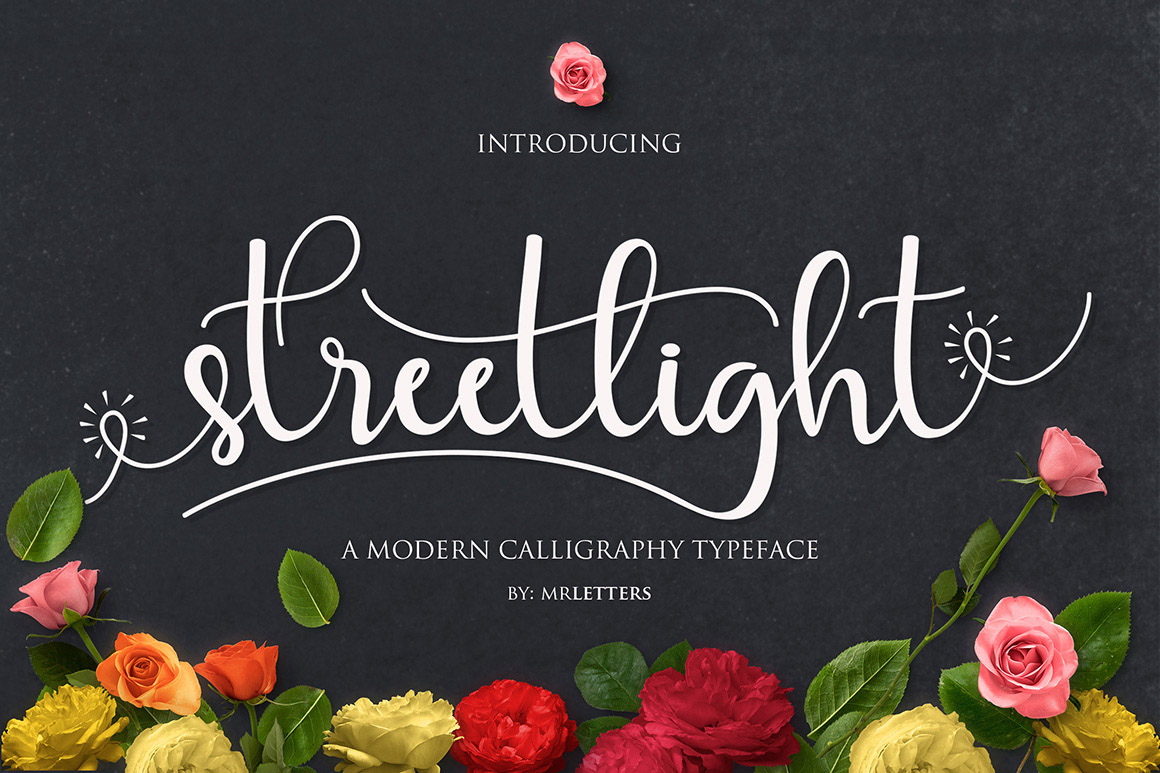
At its core, Streetlight is a handwritten font that draws heavily from traditional calligraphy but updates it for a contemporary audience. The characters flow with a natural rhythm, mimicking the slight imperfections and fluid strokes of a pen on paper. This isn't a "distressed" or "grunge" style; it is polished and legible while retaining that essential warmth. It serves as an excellent display font, meaning it shines brightest in headlines, logos, and short bursts of impactful text rather than long-form body copy.
The versatility of Streetlight lies in its extensive feature set. Packed with 459 glyphs and robust OpenType features, it offers a depth that many standard fonts lack. This allows for advanced customization, including stylistic alternates and ligatures. If you are working on logo design, these features are invaluable. You can swap out specific letters to ensure the wordmark looks unique and flows perfectly, avoiding awkward connections between characters. This level of detail helps in creating a brand identity that feels bespoke rather than off-the-shelf.
Strategic Applications for Branding and Marketing
Choosing the right typeface is a strategic decision. It influences brand perception instantly. Streetlight projects a tone that is friendly, creative, and somewhat romantic. This makes it a natural fit for industries where connection and emotion are key drivers. Think about wedding invitations, boutique packaging, lifestyle blogging, and artisanal products. However, its modern edge means it isn't limited to "pretty" designs.
Here is where Streetlight works exceptionally well:
- Packaging Design: For small business owners selling candles, skincare, or gourmet foods, this font adds a touch of premium craftsmanship. It suggests that the product inside was made with care.
- Social Media Graphics: In a crowded feed, Streetlight stops the scroll. It works beautifully for Instagram quotes, sale announcements, and story highlights, adding a personal touch that standard sans serifs can't achieve.
- Editorial Design: Use it for pull quotes or feature titles in magazines and newsletters. It breaks up the monotony of standard text and draws the reader's eye to key content.
- Web Design: When used for hero section headlines, it can soften the look of a corporate site or add character to a portfolio, provided the contrast with the body text is managed correctly.
For entrepreneurs and content creators, using a font like Streetlight helps build recognition. When your typography is consistent across your website, your emails, and your physical materials, you create a cohesive ecosystem. This consistency signals professionalism to your audience, even if the style itself is relaxed.
Practical Guide to Font Pairing and Usage
One of the most common mistakes I see in design is using a script font for everything. Streetlight is a display font, meaning it demands space and attention. If you use it for body copy, readability will plummet, and your audience will struggle to consume your message. The golden rule is contrast.
To create effective font pairing, you need a sturdy partner for Streetlight. Because Streetlight is organic and flowing, it pairs best with something clean and structured.
- With Sans Serif Fonts: A clean sans serif font like Montserrat, Lato, or Roboto provides the perfect structural counterbalance. The geometric simplicity of the sans serif lets the Streetlight headlines pop without visual competition.
- With Serif Fonts: For a more sophisticated, editorial look, try pairing it with a modern serif font. Fonts like Playfair Display or Merriweather can work, but ensure the x-heights are compatible so they don't look disjointed.
When integrating Streetlight into your design assets, pay close attention to the visual hierarchy. Use it for the H1 or the main hook. Then, switch immediately to your secondary font for the subheading and the main body. This guides the reader’s eye naturally from the emotional hook (the script) to the logical information (the body text).
Evaluating Fit and Licensing
Before you commit to Streetlight for a large-scale project, test it. Type out the specific words you intend to use. Look at how the capital letters interact with the lowercase letters. Check the spacing. While Streetlight is a high-quality creative font, every project has different needs.
Furthermore, always verify the licensing. If you are a small business owner creating a logo that will appear on merchandise, you need to ensure you have the commercial license. Most premium fonts come with different tiers—desktop licenses for print, web fonts for sites, and app fonts for software. Do not assume a free download covers commercial use. Respecting the typographer's work ensures the continued availability of high-quality design assets for the community.
Ultimately, Streetlight is more than just a set of letters; it is a tool for storytelling. Whether you are designing a wedding program or launching a new coffee brand, it offers a way to inject warmth and personality into your work. By pairing it wisely and using its OpenType features to their full potential, you can elevate your projects from standard to memorable.